

Why Independent Films Fail Before the Camera Even Rolls - A film distribution strategy
There’s a hard truth about independent filmmaking that almost nobody talks about.

Most independent films don’t fail in post-production. They don’t fail at festivals. They don’t even fail when they’re released.
They fail long before the camera ever turns on.
And, the reason is surprisingly simple: the film was never set up to succeed in the first place.
Many filmmakers begin with passion, a great idea, and a script they believe in. But what often gets overlooked are the three pillars that determine whether an independent film has a future:
audience
distribution
community
Without those, even a beautifully made film can disappear quietly into the void.
Let’s talk about why.
The Audience Problem
A lot of filmmakers assume the audience will show up once the film is finished.
That’s rarely how it works.
Studios spend enormous amounts of money identifying and cultivating audiences long before a movie premieres. Independent filmmakers don’t usually have that kind of budget, which means the strategy has to be different.
Instead of building an audience after the film is finished, the audience needs to be part of the journey from the beginning.
Who is this film for? Who will care about the story? Where do those people gather?
If those questions aren’t answered early, the film may end up with no clear path to the people who would actually love it.
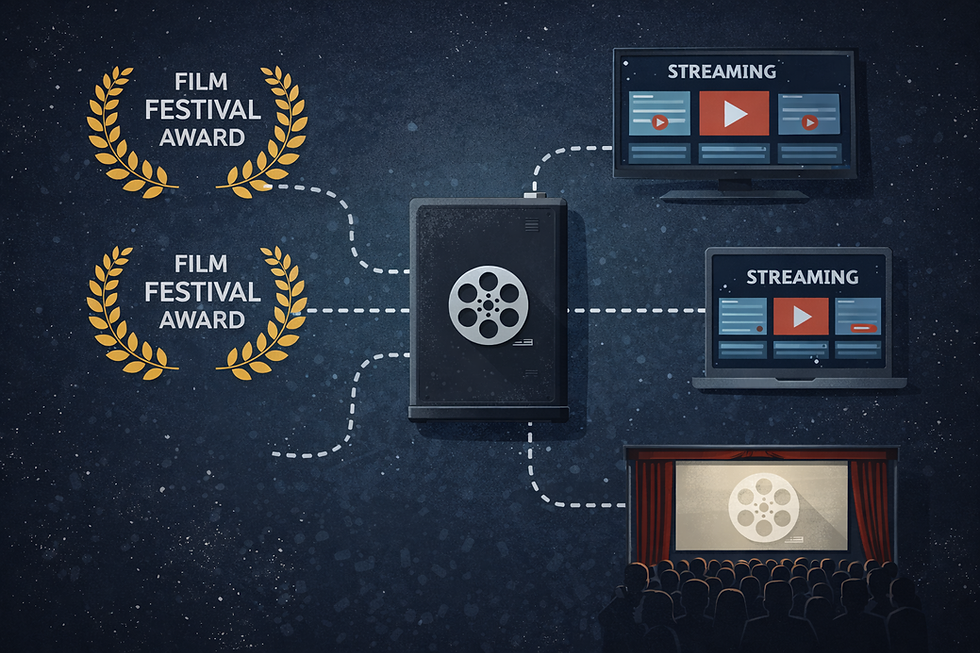
The Distribution Blind Spot
Another common mistake is treating distribution like an afterthought.
Many filmmakers assume the plan will reveal itself later:
“Maybe festivals.” “Maybe streaming.” “We’ll figure it out when the film is done.”
But distribution isn’t something that magically appears at the end of production. It’s something that should influence decisions from the very start.
Will the film target festivals? Is it designed for streaming platforms? Will it be shown through community screenings or niche audiences?
Those questions shape everything—from the scale of the production to how the film is marketed.
Ignoring distribution early is like building a ship without deciding which ocean it’s meant to cross.

The Missing Community
Independent filmmaking is often described as a labor of love, but it’s also something else.
It’s a collective effort.
No film is made by one person. Every project depends on a network of collaborators, supporters, and believers who help bring the story to life.
That community might include:
actors and crew, early supporters, creative collaborators, audiences who follow the project people who believe in the story enough to share it.
Platforms like Seed & Spark have made this dynamic more visible by encouraging filmmakers to build their audience and community before production begins.
Fiscal sponsorship programs through organizations like The Gotham also help projects establish credibility and transparency with supporters.
When a community forms around a film early, the project gains something incredibly valuable: momentum.
Without that momentum, many independent films struggle to move forward.

The Real Business of Independent Film independent film distribution strategy
The romantic image of filmmaking is all about the art—the writing, the directing, the performances, the emotional power of storytelling.
And that part absolutely matters.
But filmmaking is also a business.
A film needs people who want to see it. It needs a plan for reaching those people. And, it needs a community that believes in the story enough to help it travel.
When those elements are in place before production begins, an independent film has a real chance to succeed.
When they’re missing, even the most passionate project can stall before it ever leaves the ground.
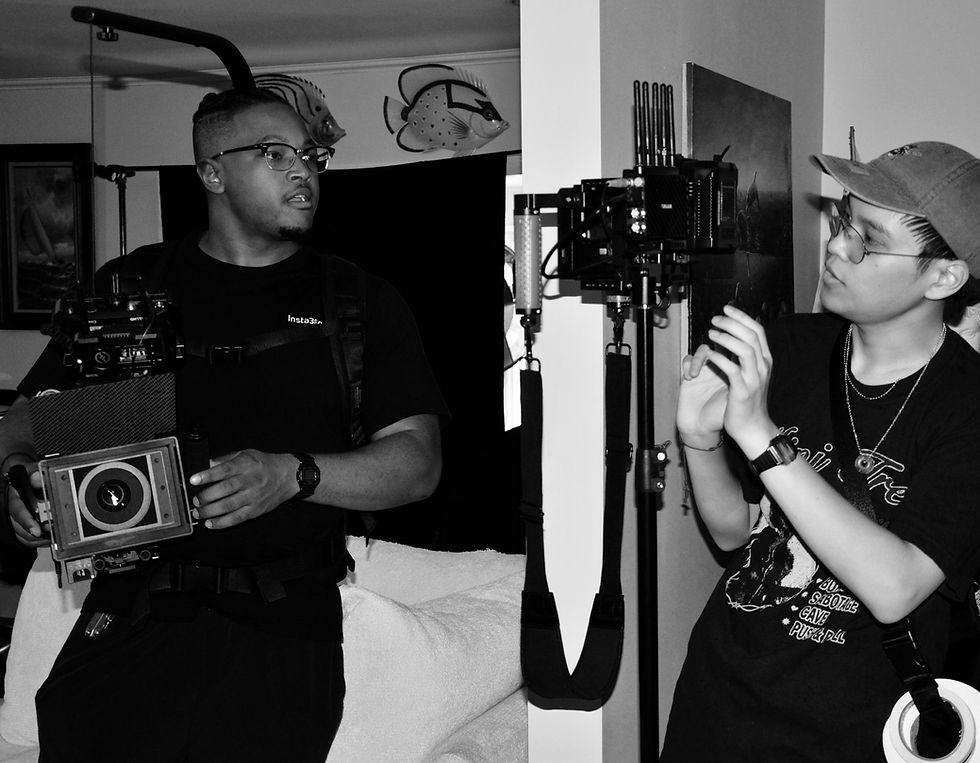
A Different Way Forward
The landscape of filmmaking is changing.
Today, filmmakers have new tools that allow them to connect directly with audiences, build communities around their work, and create stories that might never pass through traditional studio gates.
But those tools only work when they’re used intentionally.
A successful independent film doesn’t start with the first shot.
It starts with a plan, a community, and a clear understanding of who the story is meant to reach.
Because when those pieces are in place, the camera rolling isn’t the beginning of the journey.
It’s the moment when the journey finally becomes visible. 🎬
independent film distribution strategy
Why Independent Films Fail Before the Camera Even Rolls


Comments