

Consuming Content vs Creativity - Part 1 of 2
Updated: Oct 29, 2025

Content vs. Creativity
Why the Future Belongs to Those Who Build, Not Scroll
Every day begins the same way: we reach for the glowing rectangle beside the bed. Before our feet hit the floor, we’ve already consumed more information than our grandparents did in a week. Notifications, news, headlines, “must-see” clips — the morning flood. We feel connected, but what we’re really doing is absorbing, not engaging.
We live in an age of endless consumption — of media, food, products, and even identities. Every swipe, every purchase, every binge promises satisfaction but leaves us emptier. We consume for comfort, for distraction, for belonging. Yet the paradox is that the more we consume, the less we feel fulfilled.

The Consumption Trap Content vs Creativity
Consumption isn’t evil; it’s necessary. But when it becomes the default state — when our value is measured by what we buy, watch, or post — we lose the muscle of creation and purpose.
Platforms are engineered to keep us passive. Each scroll is a slot-machine pull: maybe the next post will deliver meaning, or at least a dopamine spark. We refresh, we react, we forget. Psychologists call it variable reinforcement — the same mechanism used in casinos. The difference is, the house now fits in your pocket.
We aren’t just consuming entertainment; we’re consuming identity. We model our speech after influencers, our opinions after headlines, our self-worth after metrics. But metrics are not meaning. You can’t measure soul in likes.
Lies are tailored to our biases because outrage pays. Big outlets feed those splits too. In a high-profile defamation case, Fox News paid a major settlement after a judge ruled certain election-related statements were false. It’s a reminder that some “news” will tell people what they want to hear, not what is real.
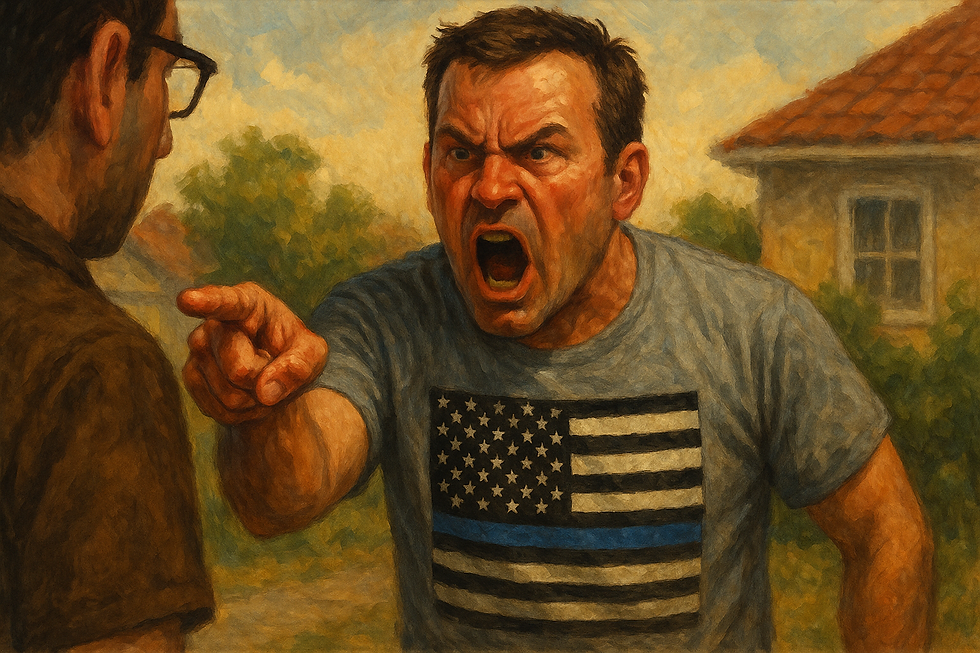
Division isn’t an accident; it’s a feature of the system. Outrage gets more clicks, so platforms reward it—and we learn to post even more outrage next time. People will do almost anything for likes, views, and going viral. Addiction is part of the story. For many of us, the loop is simple: scroll, spike, repeat—quick feelings, fast forgetting.
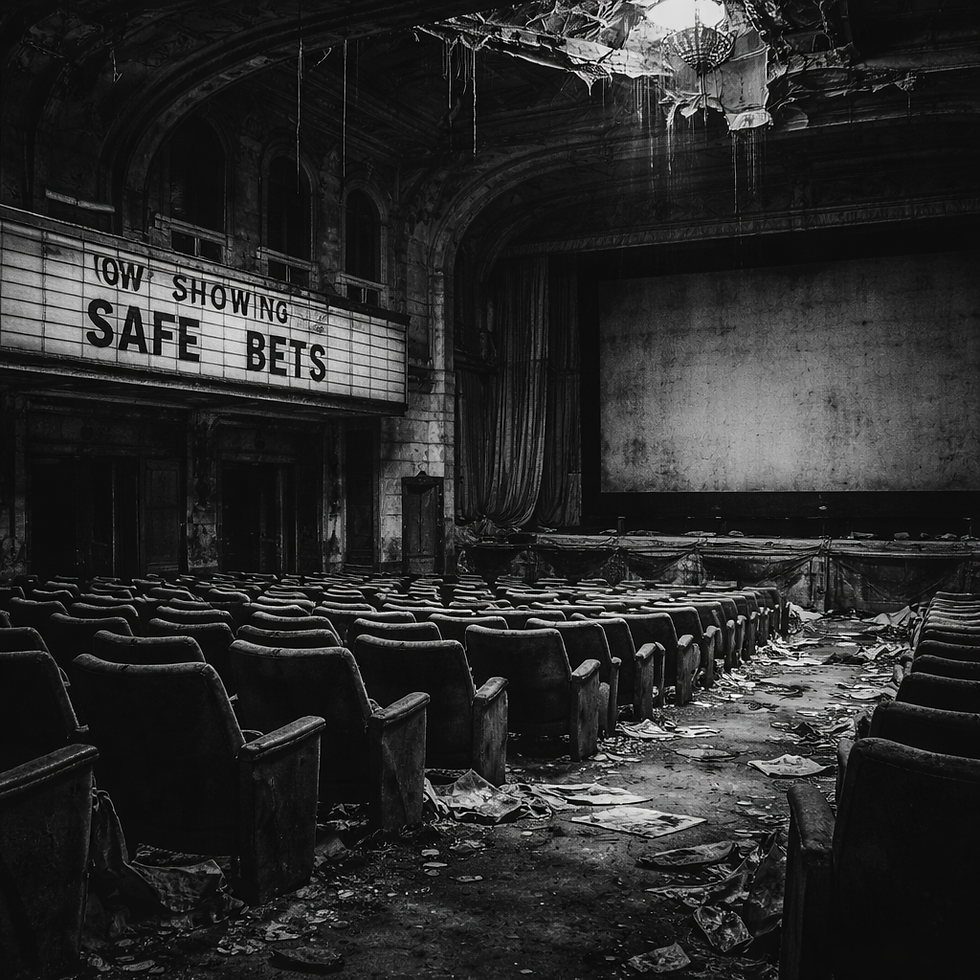
And yet, think about the works you return to—The Shawshank Redemption, Goodfellas, Schindler’s List. You don’t come back for pixels or spectacle; you return because those stories moved you, because they reminded you what it feels like to be human. If we continue training audiences to feel quickly and forget immediately, we will trade resonance for reaction. We will consume more and connect less.
Why Creating Matters
Creation interrupts that cycle. It asks something of you. It gives something back.
When you create — whether it’s a film, a meal, a business, or a better way of doing your job — you move from reaction to agency. You transform chaos into form, passivity into participation.
Neuroscience backs it up: studies show that people who engage in consistent creative work report higher happiness, lower anxiety, and deeper resilience. Creativity builds neural flexibility — the brain learns to adapt, to problem-solve, to imagine. Consumption keeps the brain busy; creation keeps it alive.

From Fast Feelings to Deep Fulfillment
People will do almost anything for likes, views, and going viral. Addiction is part of the story. For many of us, the loop is simple: scroll, spike, repeat — quick feelings, fast forgetting.
Creation works in the opposite rhythm. It slows the loop. It replaces the instant high of reaction with the slower burn of purpose. A painter finds meaning in the brushstroke, a coder in the logic, a parent in the act of teaching. These moments stretch time. They build memory, identity, and legacy — the very things consumption erodes.
A World Built on Creation
Every great human leap — from the printing press to space flight to cinema — began with people who refused to remain consumers. They built tools, art, and ideas that outlived them. The same principle holds today.
When you write instead of repost, cook instead of order, repair instead of replace, mentor instead of mock, you tilt the world a little toward creation. Each act of making is a quiet rebellion against the forces that prefer you docile and distracted.
Creation is not limited to artists. It’s for anyone who asks, “What can I bring into the world that wasn’t here before?”

The Shift We Need
The future will not belong to the most connected — it will belong to the most creative. To those who build communities, businesses, stories, and technologies rooted in truth and curiosity, not division and distraction.
Creating is not about perfection. It’s about participation. It’s about trading the algorithm’s approval for your own sense of purpose.
ThematicShift: Where Creation Becomes Collective
At ThematicShift, we believe the next revolution in creativity isn’t about technology — it’s about togetherness.
We’re a movement of filmmakers, actors, and audiences who refuse to remain passive. Here, members don’t just watch; we shape the work together.
You vote on what gets made.
You shape scripts live with creators during workshops and table reads.
You cast the actors who bring it to life.
You pitch your own stories.
You step onto set for the projects you back.
A living example: Ordinary Heroes: The Crosses We Bear
In our latest ThematicShift Live workshop, members and cast didn’t just read scenes—they refined them. Participants flagged what moved them and what needed clarity. The cast made fearless choices in real time, turning pages into people. The script got sharper because the room was honest. That’s the point: risk + revision + community = resonance.
We’ll keep choosing meaning over manipulation, craft over clicks, and stories that last over spikes that sell.
Our mission is simple: to turn audiences into authors and consumption into creation.
Because the world doesn’t need more content — it needs courage, collaboration, and connection. It needs people who choose to create meaning instead of scrolling past it.
Ditch the doom scrolling. Step into real, immersive co-creation. ThematicShift. All Products | ThematicShift.com Consuming Content vs Creativityl Media vs Creativity


Comments